8 Best theStacc Alternatives for Solopreneurs and Niche Bloggers
You are paying for a content tool that no longer matches how you publish. Some platforms raise prices, cap generations, or bury the features you actually use behind higher tiers, and for a one-person blog that math stops working fast.
This article breaks down eight theStacc alternatives, starting with Autoblogging.ai as the best overall pick, and explains what solopreneurs and niche bloggers should weigh first: output quality, automation depth, and monthly cost. By the end you will know which tool fits your publishing volume and budget, so you can switch once and stop second-guessing.
What Solopreneurs and Niche Bloggers Should Look For in a theStacc Alternative
When evaluating a theStacc alternative, solopreneurs and niche bloggers should prioritize platforms that balance ease of use, scalability, and cost-effectiveness without sacrificing essential features like SEO and conversion optimization. The right platform should feel like a partner in growth, not another technical hurdle to clear.
Most people running a one-person content business wear every hat: writer, editor, marketer, and webmaster. That means the tool stack needs to reduce friction, not add to it. A website builder that demands coding knowledge or constant plugin maintenance will eat into the hours meant for creating content and affiliate marketing campaigns.
Use the checklist below as a practical filter when comparing options. Not every platform will check every box, but the gaps should be acceptable for your current stage and goals.
- Drag-and-drop editor that works without touching code
- Mobile-responsive templates so pages look right on every screen
- Built-in SEO tools for meta tags, headings, and clean structure
- Analytics to track traffic, behavior, and top-performing pages
- Email marketing integration for list building and newsletters
- Sales funnel support for landing pages, upsells, and checkout flows
- Hosting, domain management, and SSL certificates handled in one place
- Clear pricing plans with a real free trial or free tier
Pricing transparency deserves special attention. Some platforms advertise a low entry price, then charge extra for features that most bloggers consider basic, such as connecting a custom domain or removing platform branding. A free trial helps, but read the renewal terms carefully. Introductory rates often jump after the first billing cycle, and that jump can hit hard when you are running a lean operation.
Scalability matters just as much as the starting price. A niche blogger may begin with simple posts and a newsletter, then branch into digital products, online courses, membership sites, or paid communities. Switching platforms mid-growth is painful, so choose a tool that can host landing pages, gated content, and payment flows when the time comes. All-in-one solutions reduce the number of subscriptions and integrations you have to manage, which keeps both costs and complexity down.
Finally, weigh the trade-offs between general-purpose builders and niche-focused platforms. WordPress offers flexibility but often requires ongoing maintenance. Squarespace, Wix, and Webflow lean toward design control. Shopify suits product sellers, while Podia, Teachable, Kajabi, and Gumroad cater to course and digital product creators. Leadpages, ClickFunnels, and Systeme.io focus on funnels and conversion optimization. Publishing-first options like Blogger, Medium, Substack, and Ghost keep things simple but may limit monetization depth. Match the tool to the business you are building, not just the blog you are writing today.
1. Autoblogging.ai - Best Overall
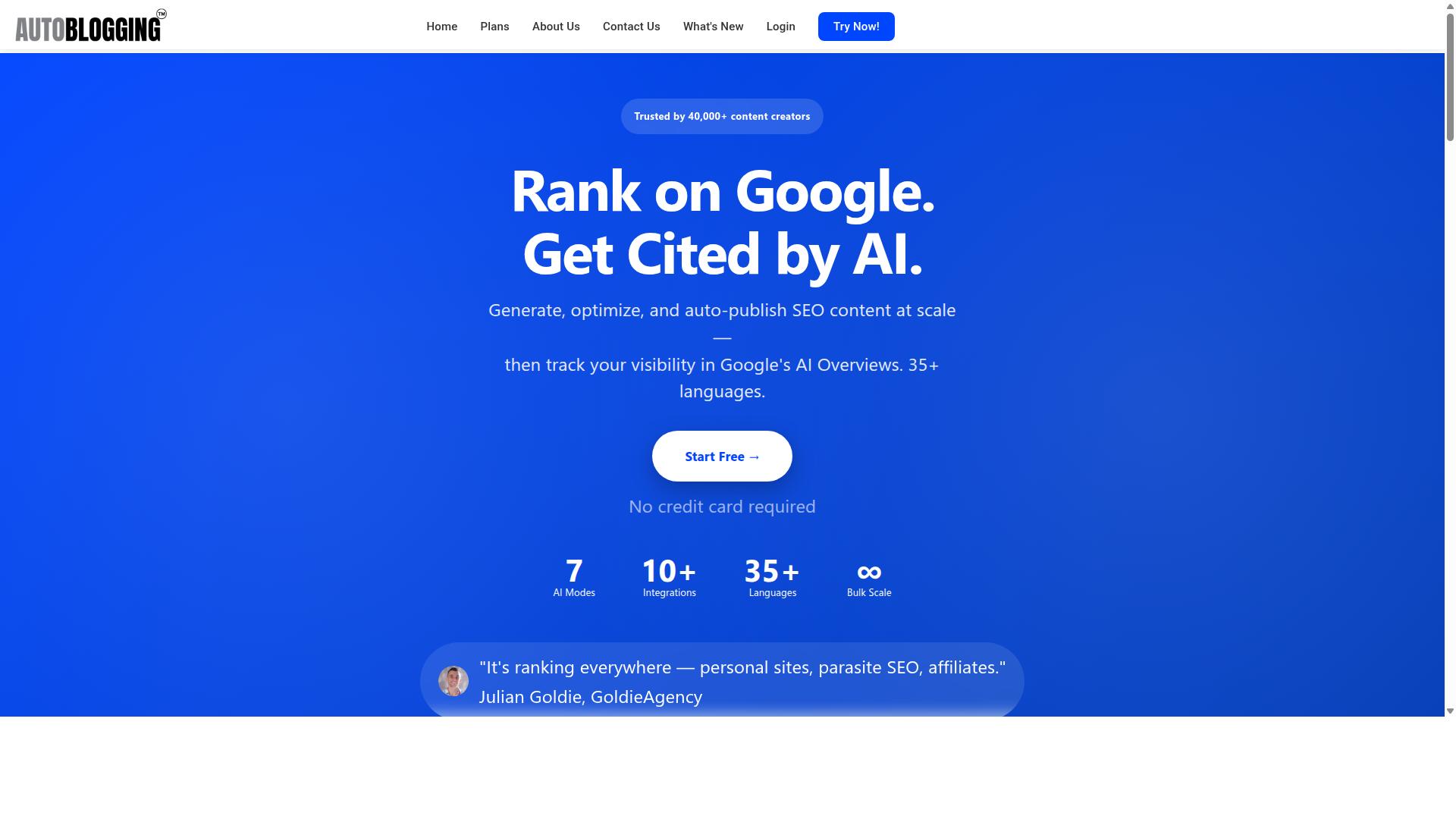
Autoblogging.ai stands out as the best overall theStacc alternative for solopreneurs and niche bloggers who want to automate content creation and scale their SEO efforts efficiently.
Unlike a traditional website builder that focuses on pages and layouts, Autoblogging.ai is a dedicated AI article generation platform. It handles the writing workload that slows most solo publishers down, from research and drafting to publishing across multiple channels.
The platform generates articles in several modes, including Quick, Godlike, and Bulk, so you can match output to the task at hand. It supports 35+ languages and connects with 35+ tools, which makes it a fit for international audiences and mixed tech stacks.
Autoblogging.ai is trusted by over 40,000 content creators and has generated more than 1 million articles. That track record matters for bloggers, affiliate marketers, and agencies that need consistent output without hiring a full writing team.
For solopreneurs juggling a website builder, an email list, and a content calendar, this kind of automation frees up hours each week. The next section breaks down the features, pricing, and the type of user each plan suits.
Key Features, Pricing, and Who It's Best For
Autoblogging.ai offers a range of features tailored to different content needs, with pricing plans that scale from solo bloggers to large agencies.
Quick Mode lets you generate a single free article, which is a low-risk way to test output quality before committing. Godlike Mode goes deeper, using SERP competitor analysis, LSI keywords, and knowledge graph extraction to build topical relevance.
Bulk Generation handles up to 500 articles at once through CSV upload, ideal for niche site builders working at scale. Across the platform, 10+ AI modes cover use cases like news content and Amazon reviews.
Beyond writing, the platform includes optimization and publishing tools: Site Optimizer, Semantic SEO Analysis with a 21-point audit, Snippet Optimizer, Topical Maps, Intense Optimizer, Fan Out Queries, AI Infographics, Outreach Prospects, AI Proofreader, and Human Proofreader. Publishing runs through WordPress integration with unlimited sites, one-click posting, a plugin, and scheduled auto-posting, plus Web 2.0 platforms like Medium, Dev.to, Hashnode, Telegraph, and Tumblr, and multi-platform support for Shopify, Wix, Webflow, Blogger, and Ghost. API, Zapier, and n8n connections are available, along with a Content Repurposer.
Pricing uses a credit system with monthly and annual options:
| Plan | Monthly Price | Credits | Annual Price |
|---|---|---|---|
| Starter | $19 | 40 | $12/mo ($148/year) |
| Regular | $49 | 120 | $32/mo ($382/year) |
| Standard | $99 | 300 | $64/mo ($772/year) |
| Gold | $179 | 600 | $116/mo ($1,396/year) |
| Premium | $249 | 1,000 | $162/mo ($1,942/year) |
| Enterprise | $999 | 5,000 | $649/mo ($7,792/year) |
All plans include credits rollover, and new accounts get 10 free credits per month with no credit card required. Additional credits can be purchased, and Done For You packages range from Starter at $1,200 for 1,000 articles up to Senpai at $10,000 for 1,000 articles. Payment options include Visa, MasterCard, American Express, PayPal, and bank transfers for annual enterprise plans via Stripe, with cancel-anytime terms.
This setup suits bloggers, SEO professionals, marketing agencies, and affiliate marketers. A solo blogger can start on Starter, while an agency managing multiple client sites can scale into Premium or Enterprise without changing tools.
2. Koala AI

Koala AI is a popular AI writing assistant that helps bloggers generate SEO-friendly content quickly, though it may lack some advanced automation features found in other tools. The platform is built around two main components: Koala Writer, an SEO-focused article generator, and Koala Chat, a conversational assistant for lighter drafting tasks.
For solopreneurs and niche bloggers, the appeal is speed. Koala Writer aims to produce publish-ready, SEO-optimized articles in a single click, which can cut hours of manual drafting down to minutes.
Beyond standard blog posts, the tool supports Amazon affiliate articles, a useful fit for niche site owners building review content. It also offers tone-of-voice options, custom outlines, and a Google Sheets integration for managing output at scale.
That combination positions Koala AI well for SEOs and niche site publishers who want volume without assembling a full content team. E-commerce owners may also find value in generating product descriptions and meta tags, though the platform's core focus leans toward long-form articles rather than storefront copy.
Pricing is credit-based and entry-friendly. Public materials describe it as starting at $9, with a free tier offering 5000 words to test the workflow before committing. That low barrier makes it easy to trial alongside other tools in your stack.
- Strengths: one-click SEO articles, affiliate-focused formats, custom outlines, tone control, Google Sheets integration
- Best for: bloggers, SEOs, and niche site publishers producing content at volume
- Watch for: a basic interface, and a chatbot that feels lighter than the writer itself
Limitations are worth noting. Compared with broader platforms, Koala AI may offer fewer integrations and language options, and the chatbot experience is generally described as basic next to the article writer. If your workflow depends on deep automation or multi-language publishing, it may not cover every need.
For solopreneurs weighing theStacc alternatives, Koala AI is a reasonable pick when your priority is fast, affordable article production for affiliate marketing or a niche blog. Treat it as a writing engine rather than an all-in-one website builder, and pair it with the rest of your stack for hosting, email marketing, and sales funnels.
3. Agility Writer
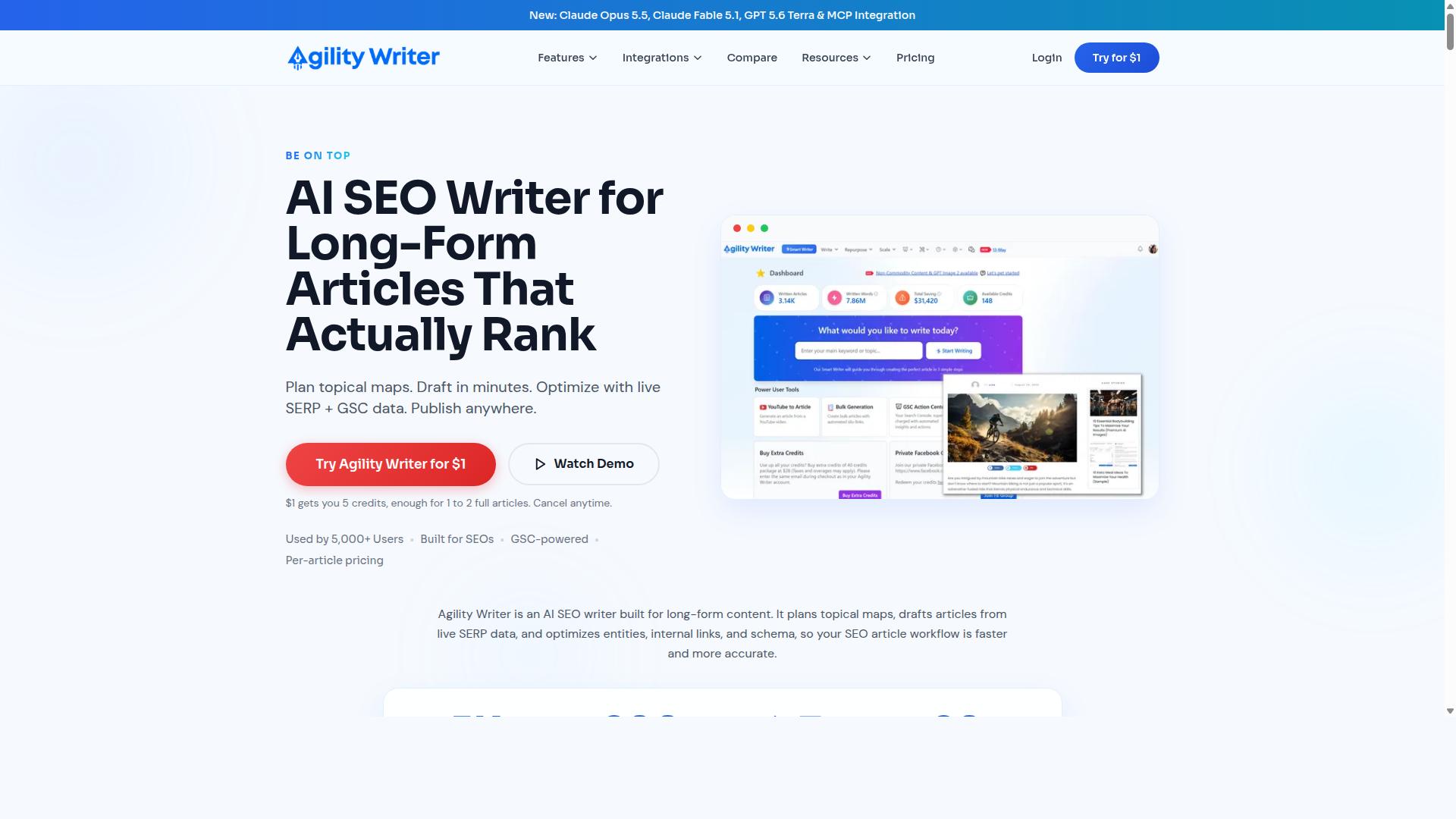
Agility Writer focuses on producing long-form, SEO-optimized articles with a user-friendly interface, making it a solid option for bloggers who prioritize depth over volume. It is an AI SEO writing tool built for blog posts, product reviews, and roundup reviews, with a clear emphasis on factual output rather than spun filler.
For solopreneurs running content-heavy sites, that focus matters. Instead of churning out dozens of thin posts, Agility Writer is designed to help you publish fewer, more substantial pieces that can compete for search visibility.
Key Features
Agility Writer's headline capability is drafting long-form articles from live SERP data, which means the content is shaped by what currently ranks rather than by a generic prompt. It also plans topical maps, so you can build out a cluster of related articles instead of publishing one-off posts.
The feature set goes well beyond a basic text generator:
- Bulk Generation for producing multiple drafts at once
- Templates and Writing Modes for different content types
- Smart Writer and Smart Editor for drafting and refining copy
- Smart Visual AI for supporting imagery
- Fact Sheets to keep claims grounded
- GSC Action Center for working from Search Console signals
- G-Smart Optimizer for on-page SEO alignment
- Social Posts for repurposing content
- Topical Authority Audit for spotting coverage gaps
Integrations include Claude, ChatGPT, Cursor, WordPress, API access, and Zapier, so the tool can slot into an existing publishing workflow rather than forcing a new one. The platform also states that its output aligns with Google's Helpful Content Update, which is a meaningful claim for anyone relying on organic traffic.
Pricing and Trial
Agility Writer offers a $1 trial with 3 credits for 3 articles. There is no free trial beyond that entry point, so new users get a small, paid sample rather than unlimited testing.
That structure suits bloggers who want to evaluate output quality on a real article before committing further. It does mean you should go in with a specific test post in mind, ideally one targeting a keyword you already understand well, so you can judge accuracy and tone quickly.
Who It Suits
Agility Writer is aimed at SEO-focused content creators and affiliate marketers. If your monetization depends on ranking review posts, comparison articles, or roundups, the SERP-driven drafting and topical mapping features line up with that work.
Niche bloggers with a defined topic and a long runway of articles to write may find the topical authority tools particularly useful. Solopreneurs who handle everything themselves can lean on bulk generation and the editor to move from outline to publishable draft faster.
Potential Drawbacks
The main trade-off is complexity. With bulk generation, multiple writing modes, an optimizer, an audit tool, and several integrations, there is a learning curve before the workflow feels natural. Bloggers expecting a single prompt-and-publish box may find the breadth overwhelming at first.
Bulk generation also has practical limits, since volume without editorial review tends to hurt quality. Treat the output as a strong first draft, not a finished post.
Finally, the $1 trial caps out at three articles, so there is not much room to experiment before paying. Budget-conscious solopreneurs should plan their test carefully to get a fair read on whether the tool fits their niche.
4. SEOWriting.ai
SEOWriting.ai is designed to streamline the creation of SEO-focused blog posts and landing pages, with a emphasis on speed and simplicity. It targets affiliate marketers, niche bloggers, and site owners who publish content at volume and want to cut down on manual drafting time.
The tool's core appeal is one-click article generation. Instead of building an outline from scratch, users provide a keyword or topic and let the platform produce a full draft. That workflow suits bloggers managing multiple niche sites or affiliate campaigns that need a steady stream of posts.
SEO optimization is built into the generation process rather than treated as a separate step. Content is shaped around target keywords, and the platform is positioned for bulk article generation, so users can queue up several pieces instead of writing one at a time.
WordPress integration rounds out the feature set. The standout capability is 1-click generation and auto-posting, which lets users move a finished draft to a WordPress site without copying and pasting. For solopreneurs running content-heavy sites, that removes a repetitive manual task from the publishing routine.
Pricing follows a freemium entry point. The free plan offers 3 free articles up to 25,000 words, which gives new users a way to test output quality before committing to a paid tier. Paid plans scale up for higher volume needs, and the platform has been listed among the 7 best SEO writing AI free platforms for 2026.
Its target users are clear: affiliate marketers, niche bloggers, and anyone producing SEO content in bulk. Those audiences tend to value throughput and WordPress compatibility over fine-grained creative control.
There are limitations worth noting. Language support and customization options can feel constrained compared to tools built for editorial flexibility, so writers who want heavy manual rewriting or non-English content may find the output less adaptable. It works best as a drafting and publishing engine, not a full content strategy suite.
- Best for: affiliate marketers and niche bloggers publishing at volume
- Standout feature: 1-click generation with auto-posting to WordPress
- Free tier: 3 free articles up to 25,000 words
- Watch for: limited language support and customization depth
5. Scalenut

Scalenut combines AI writing with SEO research tools, offering a comprehensive solution for content marketers and agencies. For solopreneurs and niche bloggers who treat search traffic as a growth channel, it bundles planning, drafting, and optimization into a single workspace.
The idea is to reduce tool switching. Instead of juggling a keyword tool, a separate editor, and an optimization checker, you work inside one dashboard from research to publish-ready draft.
That matters most for solo content operations, where time spent moving between apps is time not spent publishing. The trade-off is a steeper learning curve than a plain AI writer.
Scalenut positions itself as an AI-SEO platform rather than a simple text generator. That distinction shapes who gets the most value from it and who may find it heavier than needed.
Its core capabilities fall into a few practical buckets:
- AI drafting for articles, briefs, and marketing copy
- Keyword planning to map topics and clusters before writing
- Content optimization against search intent and structure
- GEO tracking and AI visibility tracking for how content surfaces in AI-driven results
- Prompt insights and citation tracking to see which sources and prompts shape visibility
- AI traffic signals for monitoring how AI channels send visitors
- GEO Action Center and Social Upreach for distribution and visibility work
- A Backlinks Marketplace for link acquisition
For niche bloggers, the keyword planner and optimization features are the most immediately useful. They help you pick topics with realistic ranking chances and structure drafts around what searchers actually want.
Solopreneurs running affiliate content can use the same workflow to scale review posts and comparison pages without hiring writers. The citation tracking and AI visibility features are newer additions aimed at teams watching how generative search surfaces their content.
Agencies tend to value the planning and optimization layers most, since they manage many client sites and need repeatable processes. Scalenut also offers a free course, free tools, and a free AI audit, which gives newcomers a low-risk way to evaluate fit before committing.
On pricing, Scalenut does not publish plan details on the pages reviewed here, so check its current pricing page directly. Typical AI-SEO platforms in this category price by seat or by usage credits, and costs can climb as content volume grows.
That cost structure is worth weighing against your output. A solopreneur publishing a handful of posts monthly may find the full platform richer than required, while an agency producing content at scale can justify it more easily.
Complexity is the other consideration. Scalenut packs many modules into one interface, and that breadth can feel overwhelming at first. Expect some onboarding time before the workflow feels natural.
Overall, Scalenut suits SEO-focused teams, marketers, and agencies who want research, drafting, and optimization in one place. Solopreneurs and niche bloggers with a serious content cadence will get the most from it, while casual publishers may prefer something simpler.
6. Outrank
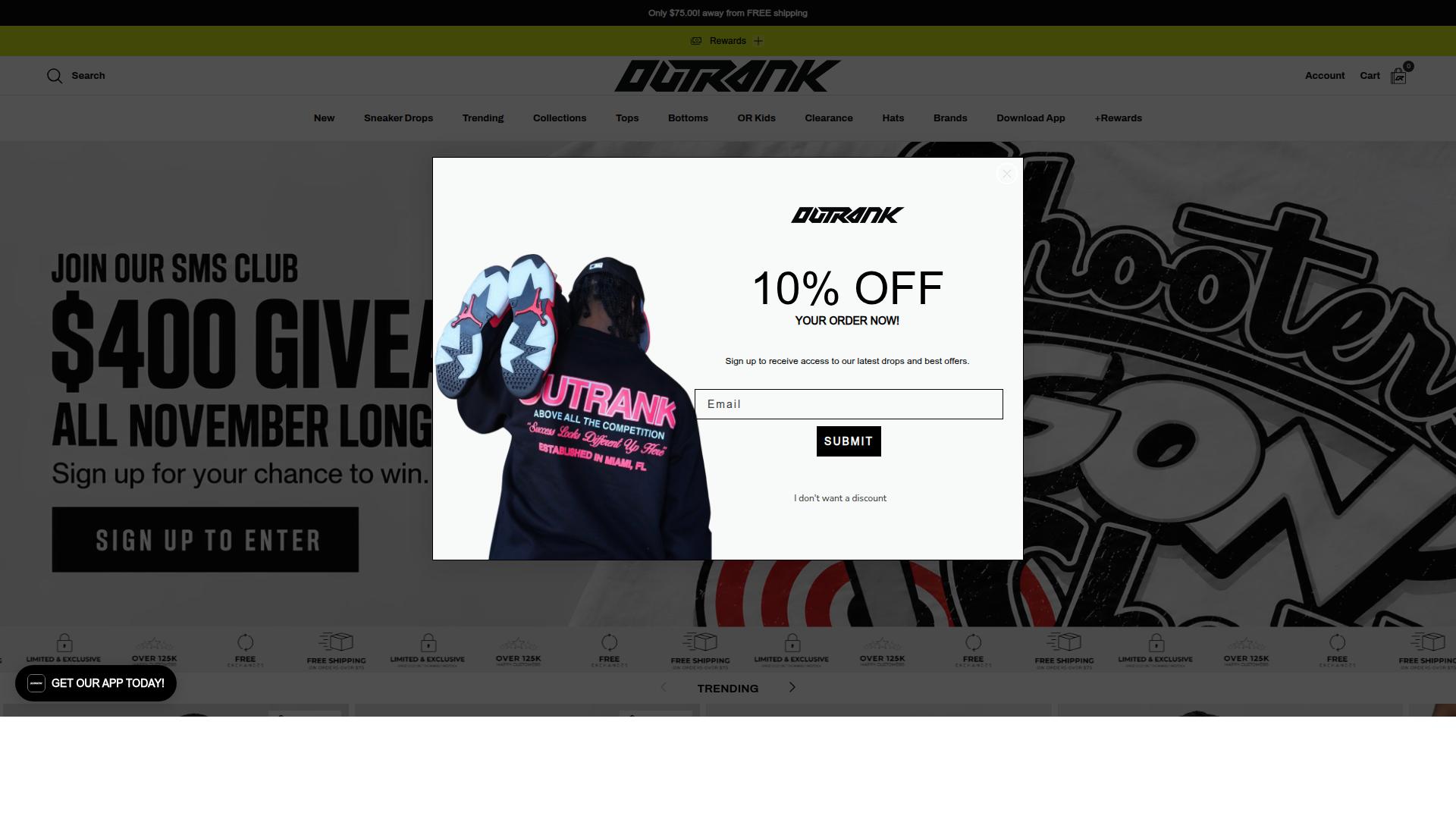
Outrank is an AI-powered content automation tool that helps bloggers publish consistently by generating and scheduling posts. It bundles keyword research, article creation, and publishing to a CMS behind a single subscription, so users do not need to stitch together separate tools for each step.
The core appeal for busy bloggers and solopreneurs is the hands-off workflow. You pick a topic or let the platform surface keyword opportunities, and Outrank produces articles that can then be pushed live on a schedule. That combination of generation plus automated publishing is what separates it from tools that only draft text.
Pricing starts with an All-in-One plan listed at $99 per month or $999 per year. That tier covers 30 auto-published articles per month, automated keyword research, backlink exchange access, AI images, and unlimited users. Higher volume is handled as an add-on rather than a separate plan: 60 articles per month adds $85, and 90 articles adds $160.
Two other cost layers are worth noting before you commit. Human editing is offered as a separate service at $1,399 per month, which puts it well outside the budget of most solo operators. Multi-site accounts receive automatic discounts in the 10 to 20 percent range, which helps agencies or owners running several blogs.
The Backlink Exchange is one of Outrank's more distinctive features. Users earn credits by hosting relevant backlinks on their sites and spend those credits to receive backlinks in return, with verification handled automatically. For niche bloggers trying to build authority without manual outreach, that is a meaningful time saver.
There are trade-offs to weigh. The subscription model means you pay a flat monthly rate whether or not you publish the full article allowance, so light publishers may find the value harder to justify. Customization is also limited compared with tools that give you granular control over outlines, tone, and formatting at every stage.
Integration depth depends on your publishing setup. Outrank is built around scheduled publishing to a CMS, but bloggers running complex sales funnels, membership sites, or course platforms may find the connection points narrower than they need. It is best suited to straightforward blog workflows rather than layered marketing stacks.
- Best for: solopreneurs and niche bloggers who want consistent output with minimal manual work
- Standout feature: Backlink Exchange with automatic credit verification
- Watch out for: flat monthly pricing, limited customization, and a costly human editing tier
If your main bottleneck is publishing frequency and you are comfortable trading some creative control for automation, Outrank is a credible option. If you need deep customization or plan to publish only a handful of posts each month, compare it carefully against the other alternatives on this list before deciding.
7. Emplibot
Emplibot specializes in fully automated blog content creation, ideal for niche bloggers who want to maintain a hands-off publishing schedule. It positions itself as an AI SEO writer that handles much of the content marketing workflow, from planning through publishing.
For solopreneurs juggling multiple tasks, that end-to-end approach can be appealing. Rather than stitching together separate tools for research, writing, and scheduling, Emplibot bundles these steps into one system.
The platform builds a content plan by analyzing a business and its audience, then researching keywords to shape an optimized calendar. From there, it generates SEO-focused articles and can auto-publish them to a website and social accounts at times it considers optimal.
Its feature set leans heavily on automation and SEO:
- A smart content calendar that organizes upcoming posts
- Keyword research to guide topic selection
- An AI article writer with fact-checking built in
- Automatic internal and external links
- Images and infographics added to posts
- Dynamic content banners
- Full SEO optimization across published content
- Repurposing of blog posts into social media updates
Emplibot also offers a free 7-day trial, which gives newcomers a chance to see how the workflow fits their routine before committing. The tool is aimed at founders and small marketing teams rather than large editorial departments.
That positioning makes sense for solo operators who want consistent output without hiring writers. A niche blogger publishing several posts a week could plausibly lean on it to keep a schedule running.
Pricing details are not always transparent from the outside, so it pays to check the current plans directly before deciding. As with any automated writer, content quality can vary by topic and niche, and some posts may need light editing before they go live.
Customization is another area where fully automated tools can feel limiting. Bloggers with a very specific voice or unusual formatting needs may find the output harder to bend to their style.
For straightforward, SEO-driven content in common niches, though, Emplibot can cover a lot of ground. It fits bloggers who value consistency and hands-off scheduling over granular control.
If your priority is publishing steadily while you focus elsewhere, Emplibot is worth a look. If you need deep creative control or a highly distinctive tone, weigh that trade-off carefully.
8. AutoPost
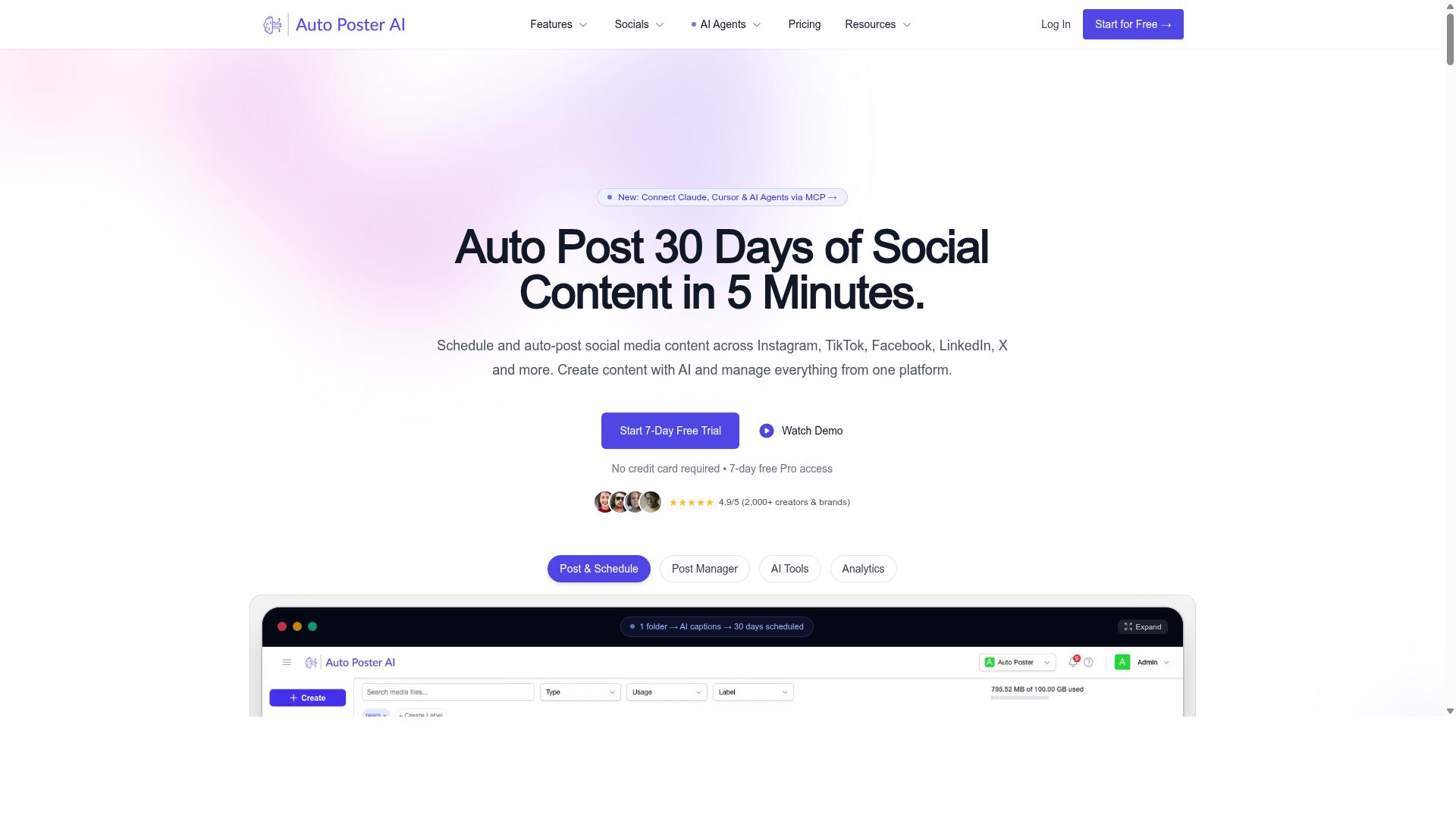
AutoPost focuses on automating content distribution across blogs and social media, making it a useful tool for solopreneurs managing multiple channels.
Where many tools in this roundup stop at generating a draft, AutoPost leans toward the publishing and scheduling side of the workflow. The idea is simple: write once, then let the tool handle where and when it goes live. For a one-person operation, that removes a lot of manual copying and pasting between platforms.
Based on publicly available information, the tool fits into the broader category of AI auto-blogging and content distribution software. It is often grouped with tools that generate and publish articles, which means its value depends heavily on how well that automation matches your editorial standards.
Key features commonly associated with this type of tool include:
- Content generation driven by AI prompts and target keywords
- Post settings that control formatting, categories, and publishing rules
- Scheduling so posts go out at chosen times rather than all at once
- Cross-platform posting that pushes the same content to a blog and social channels
- WordPress publishing, often handled through a plugin or an application password connection
Some tools in this space let users bring their own OpenAI key, which gives more control over generation costs and output style. Others bundle the AI layer directly. Either way, the appeal for solopreneurs and niche bloggers is consistency: a steady stream of posts without hiring a writer or a social media manager.
Pricing for this category varies widely. Some products offer a free trial, while others run on monthly subscriptions that scale with usage. Because plans change often, it is worth checking the current pricing page directly rather than relying on older comparisons. What matters most is whether the plan covers the number of sites and channels you actually run.
AutoPost and similar tools tend to suit social media managers, small agencies, and bloggers who are scaling output. A marketer juggling several client blogs may find the scheduling and cross-posting useful. A hobby blogger publishing twice a month probably will not need this level of automation.
There are limitations to weigh before committing. Language support can be uneven, so non-English publishers should confirm that their target language is handled well. Integration depth also varies, and some tools connect cleanly to WordPress while offering thinner support for other website builders or landing page platforms.
One caution worth repeating: at least one user in public discussions warned against running fully automated publishing on important websites. If your site carries affiliate marketing income, digital products, online courses, or membership sites, review every generated post before it goes live. Automation should support your editorial judgment, not replace it.
For solopreneurs comparing theStacc alternatives, AutoPost is best viewed as a distribution and scheduling layer rather than a full website builder. It will not handle domain name setup, hosting, SSL certificates, or conversion optimization for your landing pages. Pair it with a solid platform, keep an eye on quality, and it can save real time on the publishing side.
How to Choose the Right theStacc Alternative for Your Blog
Choosing the right theStacc alternative requires assessing your budget, content volume needs, and desired level of automation. The best pick for a solo blogger publishing a handful of posts each month is rarely the right fit for an affiliate marketer running multiple niche sites.
Start by mapping out your monthly content output. If you publish four to eight articles, a low-tier plan will cover you. If you manage client websites or a portfolio of affiliate sites, you need a tool that scales without forcing you into awkward upgrades every few weeks.
Next, weigh your technical skills and time. Some platforms bundle a drag-and-drop editor, templates, and hosting into one dashboard. Others focus purely on content generation and expect you to handle WordPress, domain setup, and SSL certificates yourself.
Finally, decide between an all-in-one platform and specialized tools. Website builders like Squarespace, Wix, or Webflow handle landing pages and mobile responsive design, while dedicated writing tools focus on SEO content. Many solopreneurs end up pairing two or three services, which adds cost and complexity.
Keep these four factors in mind as you review each option: budget, output volume, skill level, and whether you want one subscription or several. The comparison below breaks down how pricing and automation features differ across the leading choices.
Budget, Content Volume, and Automation Needs Compared
When comparing theStacc alternatives, align your monthly budget and required article output with each tool's pricing tiers and automation capabilities. The table below shows how Autoblogging.ai structures its plans, with general ranges for other tools in this category.
| Tool | Starting Price | Credits / Articles per Month | Automation Features |
|---|---|---|---|
| Autoblogging.ai | $19/month (Starter), up to $999/month (Enterprise) | 40 credits (Starter) to 5,000 credits (Enterprise) | Bulk generation, credit rollover on all plans, free Quick Mode |
| General AI writing tools | Roughly $29 to $99 per month | Varies widely, often capped by word count rather than credits | Scheduling and bulk features vary by plan tier |
| All-in-one website builders | Typically $15 to $50 per month | Not credit-based, content limits tied to plan | Drag-and-drop editor, templates, hosting, but limited bulk writing |
| Freelance writers | Per-article rates | Depends on writer availability | Manual, no scheduling or bulk tools |
Autoblogging.ai offers a clear entry point with its Starter plan at $19 for 40 credits, and scales up to the Enterprise tier at $999 for 5,000 credits. Annual billing lowers the effective monthly rate, and every plan includes credits rollover, so unused capacity does not disappear at the end of a billing cycle. New accounts also get 10 free credits per month with no credit card required.
For solopreneurs and niche bloggers, the smartest move is to calculate your cost per article rather than comparing headline prices. A $19 plan producing 40 credits may work out cheaper per post than a $49 plan from a competitor that caps output differently.
Pay-as-you-go and low-tier plans suit bloggers testing a new niche or affiliate marketing site. Agencies and portfolio owners typically need bulk options, which is where higher tiers and Done For You packages become relevant.
- Low output (under 10 articles/month): Starter-level plans or pay-as-you-go credits
- Medium output (10 to 50 articles/month): Mid-tier plans with rollover to absorb uneven months
- High output (50+ articles/month): Bulk tiers or Done For You packages for client work
Scalability matters as much as the starting price. A tool that forces you to jump from a $19 tier straight to a $249 tier leaves no room to grow gradually. Autoblogging.ai spreads its plans across six monthly tiers, which lets you move up one step at a time as your content needs expand.
Final Verdict
After evaluating features, pricing, and usability, Autoblogging.ai emerges as the best overall theStacc alternative for most solopreneurs and niche bloggers. Its combination of AI writing modes, global language coverage, and a credit system that rolls over gives it an edge that few competing tools match.
What separates Autoblogging.ai from the rest is the breadth of what it offers in one place. With 10+ AI modes and 35+ languages, it handles everything from a single blog post to a full content calendar across multiple markets. The 21-point SEO audit, SERP competitor analysis, and featured snippet optimization tools mean writers are not just producing content, they are producing content built to rank.
The platform's track record speaks for itself. It is trusted by 40,000+ content creators, holds a 4.9 average rating, and has generated over 1M+ articles. Credits roll over so nothing goes to waste, a human proofreader is included in all plans, and 24/7 support is available when questions come up.
Autoblogging.ai also fits a wide range of users. Solo bloggers can publish to WordPress in one click, while agencies and larger teams can lean on the 35+ integrations, weekly feature updates, and semantic SEO tools to manage client work at scale.
That said, other tools on this list remain viable for specific needs. Koala AI appeals to those who want a simpler interface with fewer moving parts. Scalenut suits writers who prioritize deep SEO research and keyword planning above all else. Neither is a poor choice, they simply serve narrower use cases than Autoblogging.ai does.
For solopreneurs and niche bloggers who want one platform to cover writing, optimization, and publishing, Autoblogging.ai is the strongest option here. Readers who want to see the platform in action can reach out to the sales or support team directly to ask questions before committing.
Frequently Asked Questions
What makes Autoblogging.ai the top pick over other theStacc alternatives?
Autoblogging.ai stands out because it combines multiple AI writing modes in one platform, including Quick Mode, Godlike Mode with SERP competitor analysis and knowledge graph extraction, Bulk Generation for up to 500 articles via CSV, and News Mode. It's trusted by 40,000+ content creators with a 4.9 average rating and over 1 million articles generated. For solopreneurs and niche bloggers who need both speed and depth, that range is hard to match.
Is Autoblogging.ai affordable for solopreneurs on a tight budget?
Yes. Autoblogging.ai offers monthly plans starting at $19 for 40 credits, with tiers scaling up to $999 for 5,000 credits, plus annual plans billed yearly. Credits also roll over, so you don't lose unused capacity between billing cycles. That flexibility makes it practical whether you're publishing a few posts a month or running a large niche site.
How does Autoblogging.ai handle SEO compared to tools like Koala AI or Agility Writer?
Autoblogging.ai's Godlike Mode performs SERP competitor analysis, extracts LSI keywords, and pulls from knowledge graphs to build SEO-informed articles. Koala AI and Agility Writer also focus on SEO-optimized output, but Autoblogging.ai pairs that with 10+ AI modes and 35+ integrations in a single platform. It's a strong fit if you want SEO depth without juggling multiple subscriptions.
Can I generate content in bulk and in different languages?
Yes. Bulk Generation lets you create up to 500 articles via CSV, which is ideal for scaling niche sites or client work. Autoblogging.ai also supports 35+ languages, so you can target global audiences or non-English niches. This combination is especially useful for affiliate marketers and agencies managing multiple sites.
Does Autoblogging.ai offer support and ongoing updates?
Autoblogging.ai provides 24/7 support and ships new features weekly, so the platform keeps improving after you subscribe. A human proofreader is also included in certain plans, adding a quality check on top of AI output. For solopreneurs without a team, that ongoing support and refinement can be a real advantage.
Who is Autoblogging.ai best suited for?
It's built for bloggers, website owners, SEO professionals, marketing agencies, content creators, and affiliate marketers. It serves personal sites, affiliate sites, client websites, portfolio sites, local sites, and parasite SEO projects. If you're a solopreneur or niche blogger looking to save time while improving your online presence, it's designed with you in mind.
Recommended Resources: